The bear who slept through the blizzard
Kuhmo, Finland
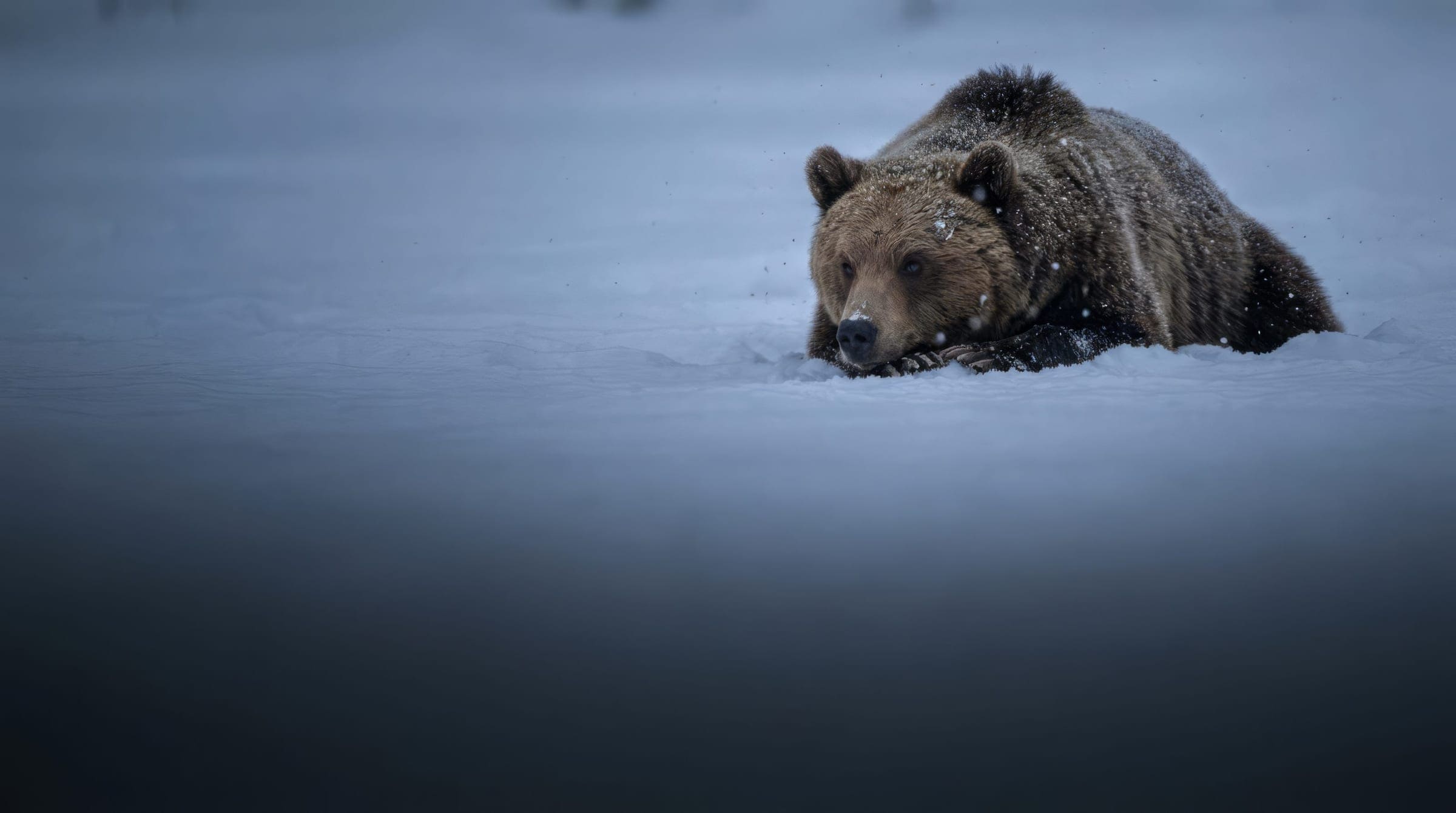
600 mm, f/4, 1/1000 s, ISO 800
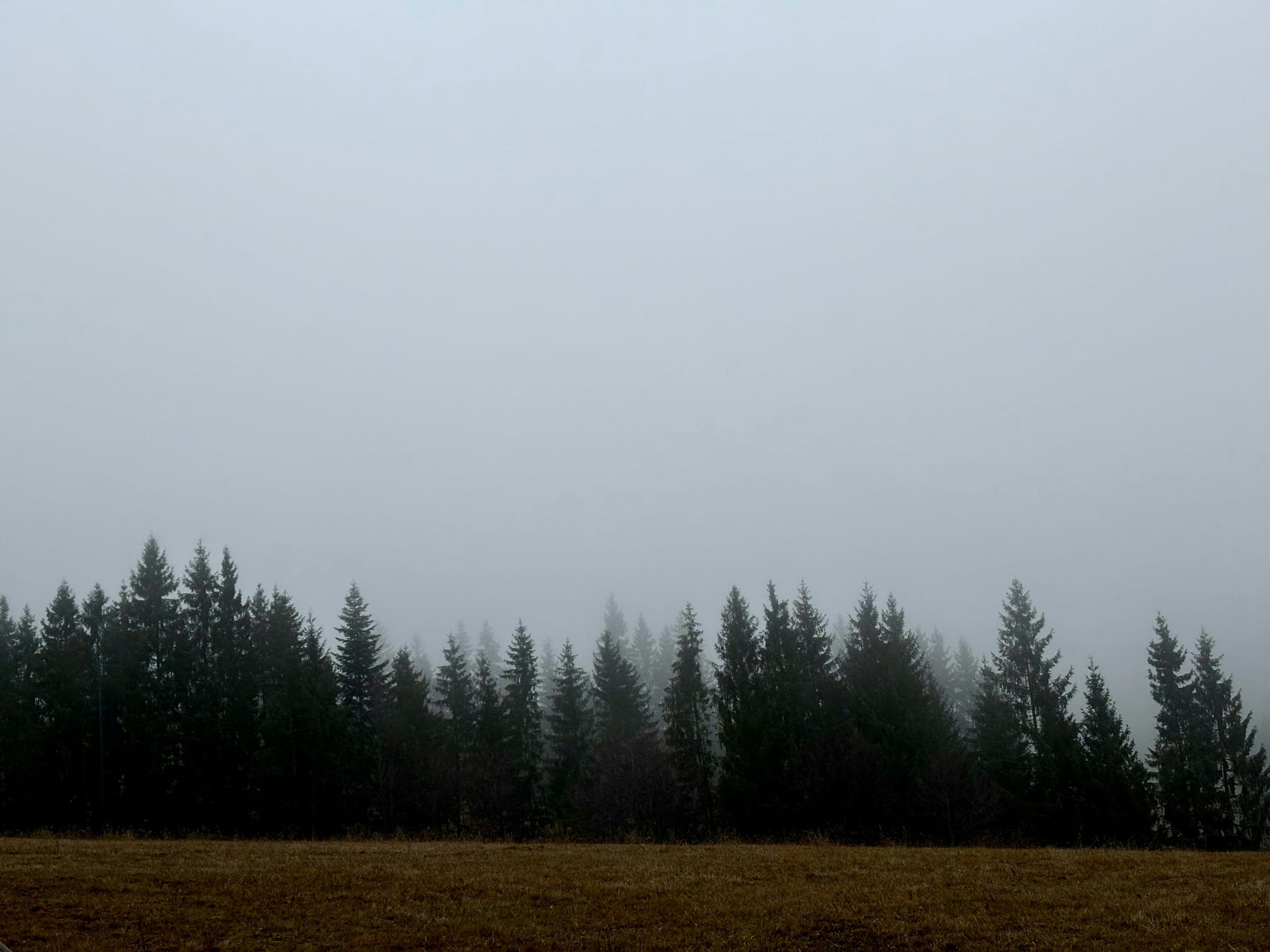
The hide is a plywood box the size of a garden shed, with a bunk, a bucket and a slit to look through. You walk in at four in the afternoon and you do not leave until eight the next morning, because the bears can smell a door opening from across the bog.
I had booked three nights. For the first two I photographed ravens, snow, and the inside of my own sleeping bag.
What sixty-one hours buy you
Wildlife photography is mostly logistics and thermal underwear. The picture at the top of this page took a thousandth of a second. Getting to that thousandth took a flight, six hours of gravel road and a guide called Lassi who has been feeding salmon to the same family of bears since 1998.
On the third evening the wind turned and the snow came in sideways. I had written the trip off when a male walked out of the treeline, looked at the weather, and lay down forty metres from the slit.
He put his head on his paws like a dog that has been told to wait, and for two hours neither of us moved.
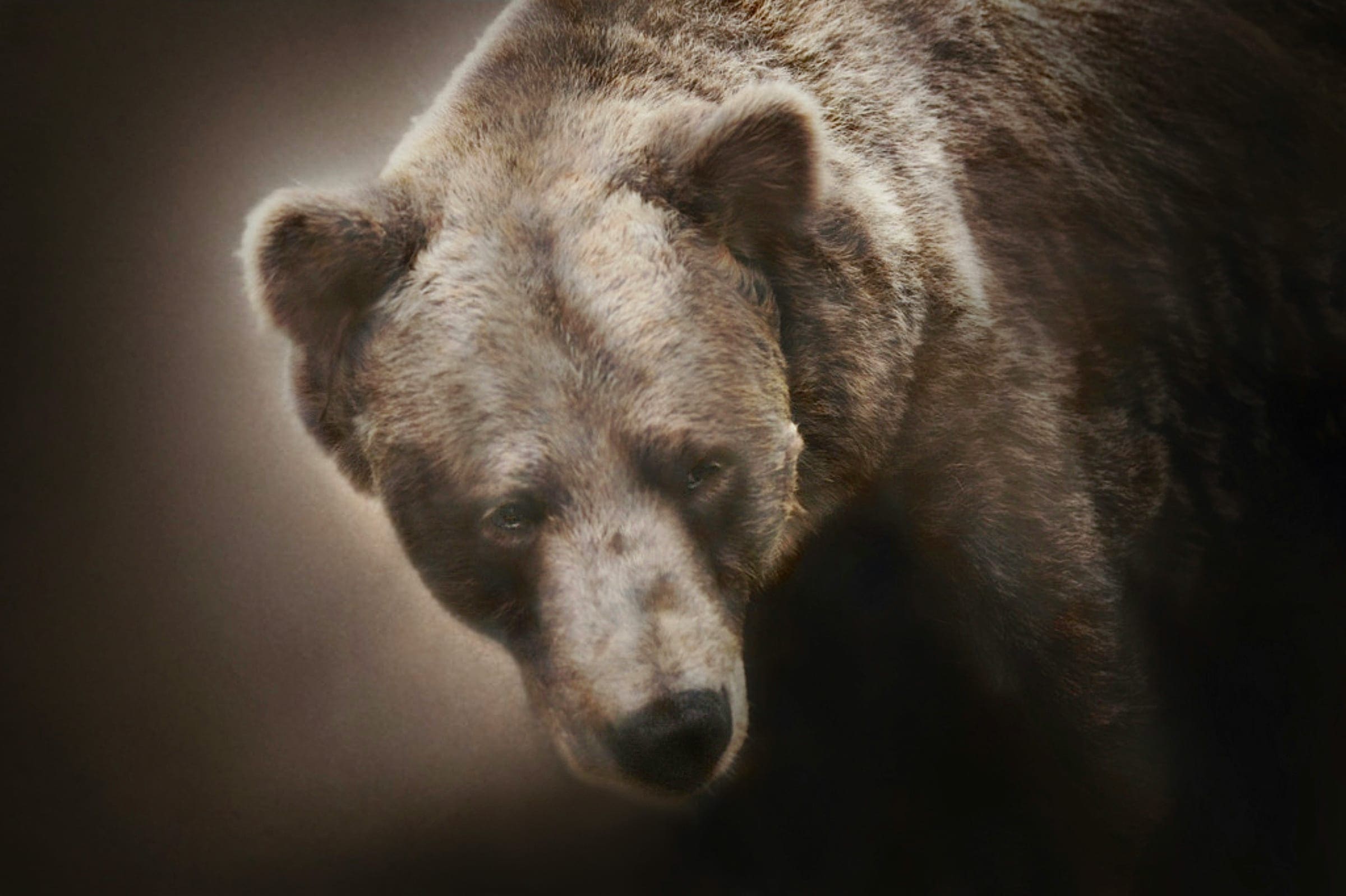
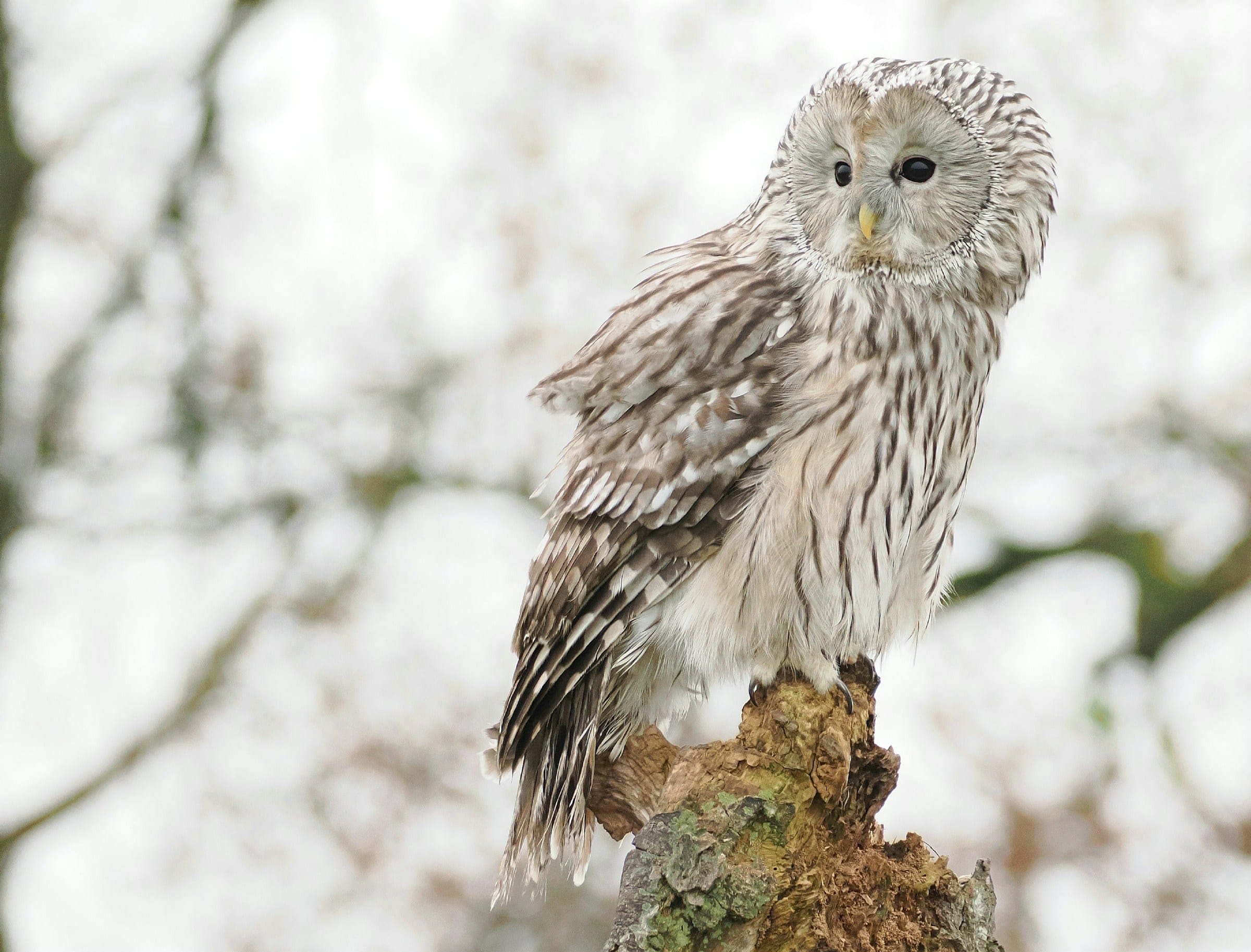
The same male an hour before the snow, and the owl that kept me company on night two.
The four that worked
I pressed the shutter 2,300 times in three nights. Most of those frames show snow in front of a bear, a bear behind snow, or a very sharp branch. Four are worth printing. That ratio sounds terrible and is about average.
If you are thinking about a hide of your own: go in late autumn, bring a second battery for every hour of darkness, and do not drink the whole thermos before midnight.
- Time in the hide
- 61 h
- Coldest hour
- −19 °C
- Frames taken
- 2,300
- Frames kept
- 4